

It’s Spring!
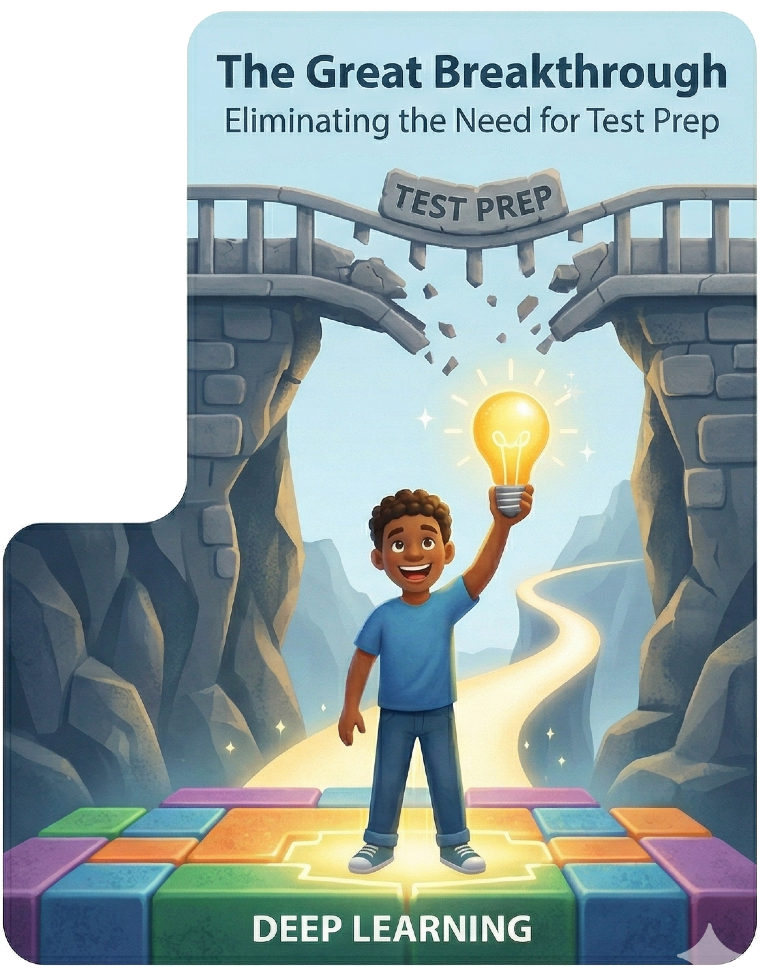
Come spring, many teachers find themselves shifting into test prep mode, hoping to boost scores before the big day. But what if we taught in ways that prioritized retention so deeply that test prep became unnecessary? We can . . . and I’ll show you how. But first, for those of you staring down a test date right now, here are two engaging ways to review that actually work.
1: How Much Do You Know?
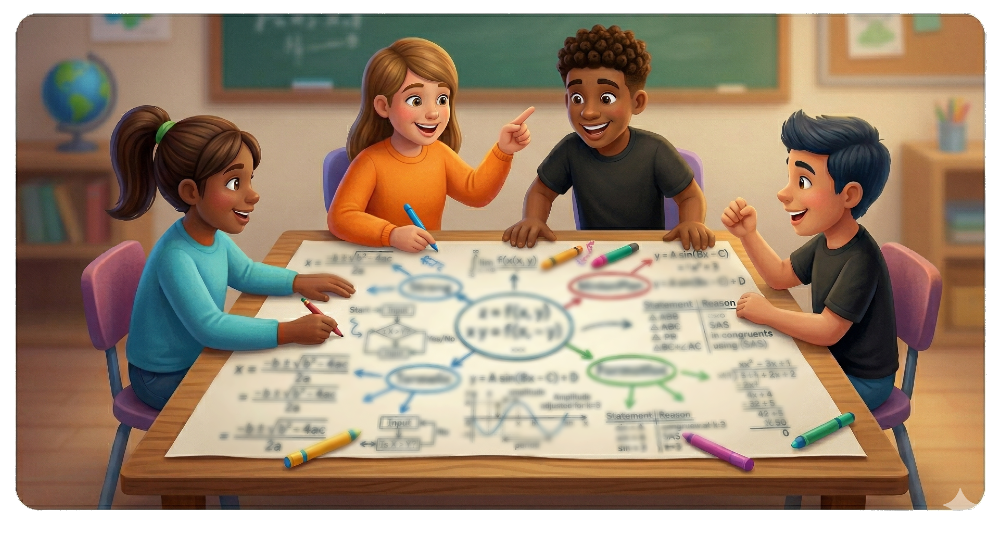
- • Push desks together to form tables seating 4–5 students.
- • Cover each table with a large sheet of bulletin board paper and provide a variety of pens, pencils, and colored markers.
- • Ask students to recall everything they’ve learned by writing it on the paper and discussing with one another; they can reference notebooks, textbooks, wall displays, and any other materials.
- • Give them 15 minutes to capture as much as they can, including graphs and illustrations.
- • After 15 minutes, ask one student to remain at each table as a “table expert” while the rest regroup to new tables.
- • New groups take 15 minutes to review what’s already on the paper, ask the table expert questions, and add content they remember.
- • Regroup once more if time allows, rotating a different student into the table expert role.
- • Close by asking: What did you rediscover today that you had forgotten?
2: Let’s Teach the Next Students!
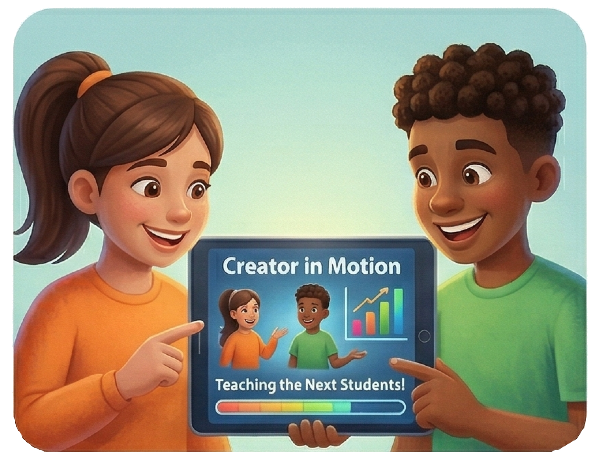
- • Create a one- to two-page outline of your subject-area content, capturing the big ideas and standards most likely to be tested.
- • Have students work in pairs.
- • Each pair selects a a skill or concept under a topic and creates an original video that teaches it in a unique, engaging way.
- • Pairs then watch one another’s videos and rate them on criteria you provide, such as step-by-step explanations with illustrations, real-world applications, and questions with answers.
- • Students take short quizzes to measure how much they learned from one another’s creations.
- • If time allows, have pairs create a second video to cover additional content.
Teaching for Retention: Start Planning Now
The two activities above are great short-term tools. But the real goal is building a classroom where students retain learning all year long, making test prep a thing of the past.
Teaching for retention requires:
- • Engaging students through a felt need to learn by tackling real-world problems
- • Providing differentiated pathways so every student has opportunity and access to learn
- • Letting students take the wheel: offering choice in how, when, with whom, and where they learn
- • Positioning students to support one another
- • Building habits of self-assessment and goal-setting
- • Inviting students to co-create the learning experience
When Learning Sticks!
When students are genuinely bought in and in control of their learning, they learn once and for all.
My own experience with this was serendipitous. It was my second year of teaching. My students weren’t interested in school and weren’t passing state tests. One day, I simply got tired of forcing content on them and redesigned my classroom around those six principles of teaching for retention mentioned above. Students became engaged, energized, and genuinely excited about the content. In the end, all but one passed the state test.
My principal pulled me aside afterward, noting that my students had outperformed most of their peers, and asked how I had taught a particular topic. My answer stopped him in his tracks: I hadn’t gotten to that chapter yet. The understanding my students built through engaged, student-driven learning transferred, even to content they hadn’t formally been taught.
That’s the power of teaching for retention; that’s when learning sticks!
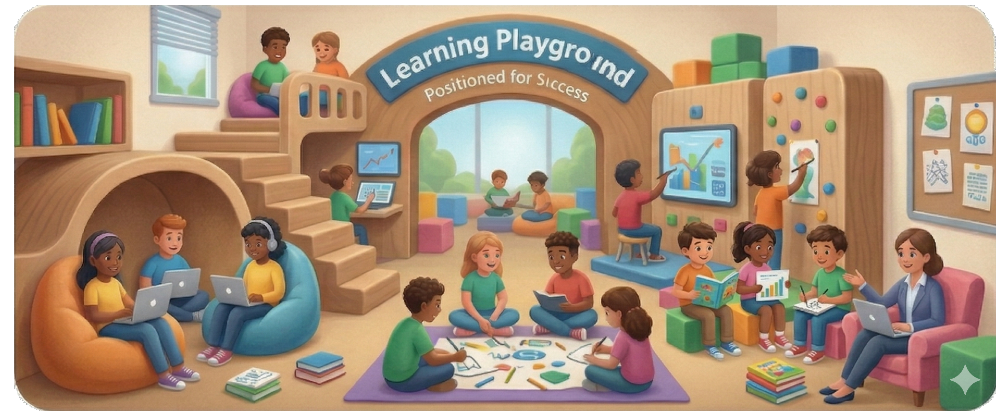
Generation Alpha Learners
Most students in classrooms today are part of Generation Alpha, known as the first truly digital generation. These students were managing their own information intake at age 2, when they could first hold onto a parent’s cell phone. They were scrolling, viewing, clicking their way through the world from a very young age. As a result, they crave autonomy, purpose, and real-world relevance. After all, that’s been much of their early experience for learning.
I was in an airport listening to a young man reciting the alphabet flawlessly, singing away. He was 2 years old. I commended the mom, who said, “Oh, it wasn’t me; that was from his iPad.”
Addressing this generation means rethinking habits built for teaching prior generations. When you address content in ways that genuinely resonate with students—giving them autonomy, purpose, and connection to the real world—they learn deeply and durably. No test prep required!
Images by Gemini … content by me!
For more about IDE Corp.’s Future-Powered Classrooms, contact us at solutions@idecorp.com or 201-934-5005.
Looking to build a culture of professional learning for teaching for retention? Consider our on-demand Professional Learning Experiences (PLEs): resources to promote discourse, PLC and faculty meeting engagement, and classroom action. Topics suggested for teaching for retention include:
- – Teaching Through the 6 Ps of PBL
- – Fostering Student Agency Through Differentiated Activity Lists
- – Executive Function: The Pathway to Student Achievement
Looking to offer teachers online workshops to advance their craft and earn PD hours? Our Virtual Learning Communities (VLCs) offer teachers 5-week experiences with self-directed activity lists, meetings with a consultant, and discussions/collaboration with teachers from other districts. Summer 2-week experiences are also available.
Let us co-create the path to professional learning for your school or district. All of our consultants are former public/private school educators—we know learning! solutions@idecorp.com or 201-934-5005